Back to blog

Clinicians

Doctors, nurses and the people doing the caring: how technology changes clinical work, and why clinicians should help build the tools they use.

16 articles

Your hospital bought the wrong AI

Most hospitals bought a single monolithic medical AI assistant. The architecture that actually holds up is a team of small, specialised agents reading from one shared, auditable database. The lesson from thirty years on the work floor: the win isn't raw intelligence, it's discipline you can audit.

Your hospital bought the wrong AI
27 May 2026· 5 min readagentic-aiclinicianshospitals

The patients who stopped asking permission

Five patients who walked their own path to a diagnosis, a second opinion, or a treatment the system missed. Against Gallup's 1-in-4 figure and a three-month Big Tech health-AI launch window, the self-navigator is no longer an exception, she has infrastructure.

The patients who stopped asking permission
22 April 2026· 5 min readaipatientscliniciansworkforce

You're already training your replacement

DoorDash pays gig workers to film themselves training AI replacements. Healthcare clinicians do the same thing invisibly every day. As a hospital CEO calls for replacing radiologists, BCG data shows AI will reshape 50-55% of jobs, not eliminate them. The real question is who controls the reshaping.

You're already training your replacement
15 April 2026· 4 min readaiworkforcecliniciansvibe-coding

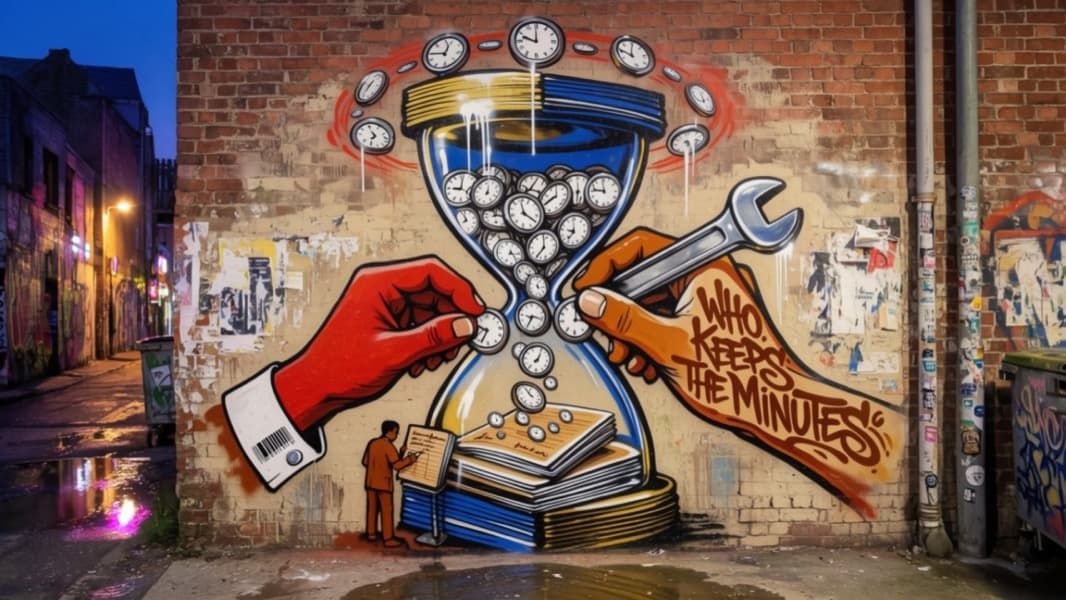
The conductor problem

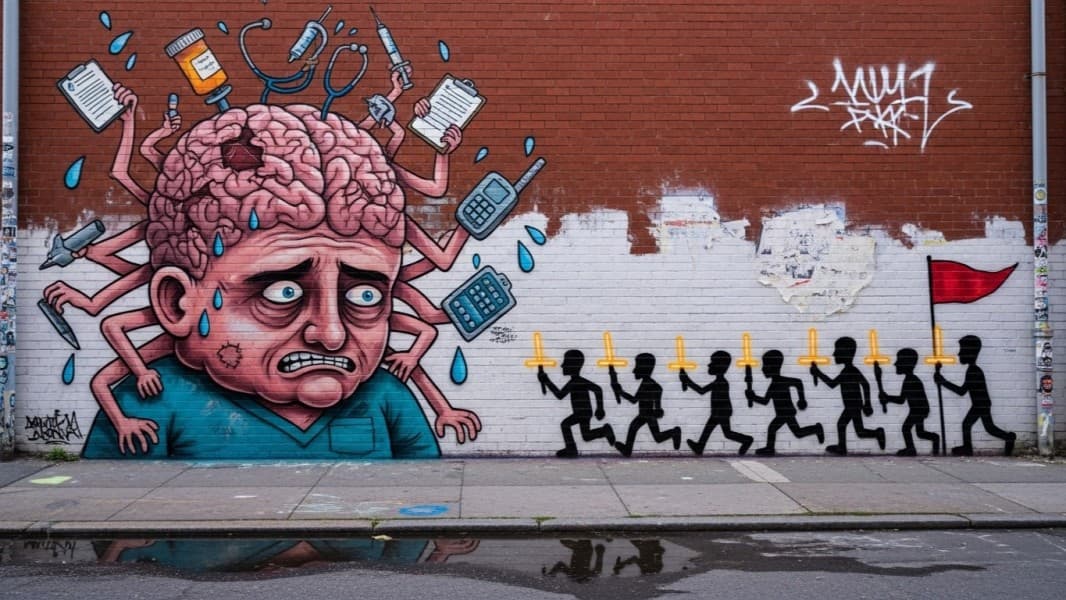
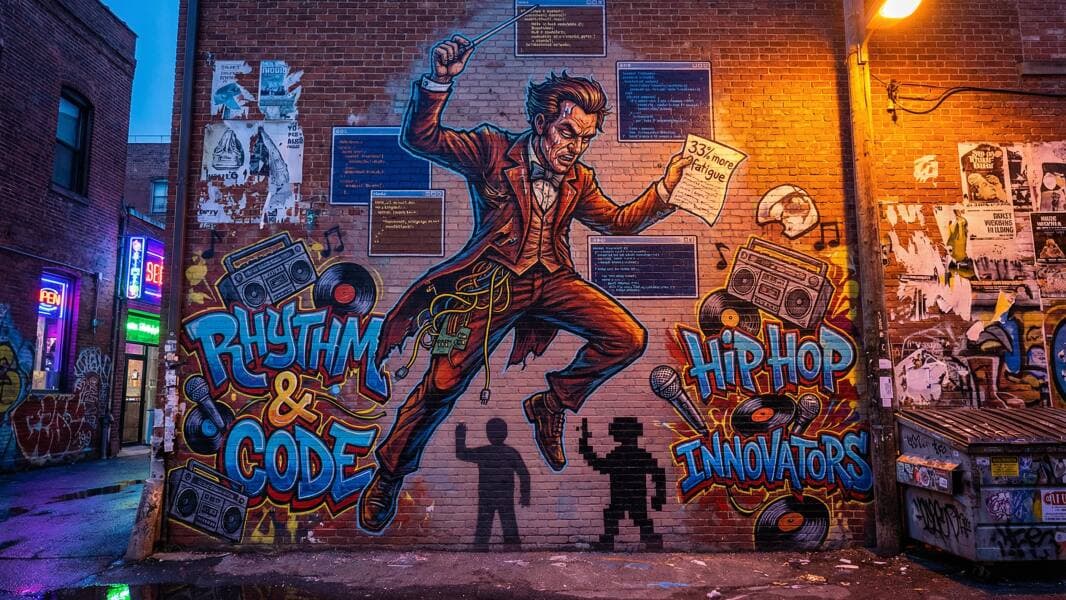
You opened the terminal windows to delegate. Two hours later your brain was fried; not from doing the work, but from overseeing it. The conductor problem reframes AI orchestration as a new cognitive job that arrived quietly alongside the tools, with nobody asking whether the human at the centre had the bandwidth for it. The healthcare parallel is uncomfortable: clinicians managing AI-assisted diagnostics face the same position, with higher stakes.

The conductor problem
25 March 2026· 3 min readaiagentic-aicliniciansworkforce

The invention layer

Healthcare AI has been stuck in automation mode, speeding up existing workflows. But the emergence of the "clinician developer", doctors building their own AI tools via vibe coding, signals a deeper shift. The invention layer, where domain experts create what was structurally impossible before, is where the real value lives.

The invention layer
11 March 2026· 3 min readvibe-codingcliniciansagentic-ai

The doctor that never forgets you

We've given healthcare AI the most powerful memory technology ever built, then asked it to forget everything at the end of each appointment. Three major acquisitions in January 2026 suggest the industry is finally asking the right question.

The doctor that never forgets you
25 February 2026· 6 min readagentic-aiclinicianslongevity

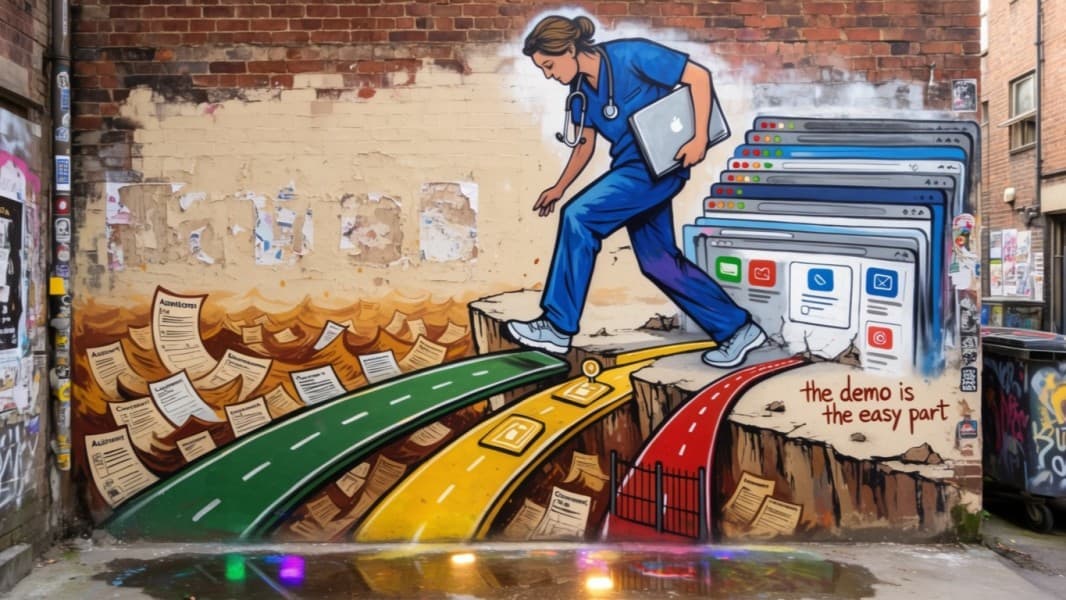
It's Magic

Why vibe-coding in healthcare matters. Live demo of building an app in 6 minutes, and what this means for giving agency back to frontline workers.

It's Magic
22 January 2026· 3 min readvibe-codingaiclinicians

Game over for solo performances

OpenAI's HealthBench delivered a stark reality check: AI models now outperform solo physicians. But this isn't a replacement story, it's an evolution story, with three emerging opportunities reshaping how doctors create value as medical experience architects.

Game over for solo performances
9 July 2025· 4 min readaicliniciansworkforce

Trusting the treatment you can’t explain

Healthcare stands at a fascinating crossroads: AI systems now pass medical exams and offer clinical insights that sometimes surpass human understanding. Yet we're still debating transcription tools while missing the bigger picture.

Trusting the treatment you can’t explain
25 June 2025· 3 min readaiethicsclinicians

How will doctors reinvent themselves?

AI-driven digital twins are quietly reshaping medicine, moving doctors from scribes to trusted copilots and, soon, to virtual colleagues who never sleep. The decisive question is no longer whether physicians will be augmented or replicated, but how they will reinvent themselves.

How will doctors reinvent themselves?
30 April 2025· 3 min readaicliniciansagentic-ai

Software 2.0 and the doctor fallacy

What happens when software stops being something we install and becomes something that simply 'appears', adapting to our needs in real time, then dissolving once the task is done? As AI redefines industries, healthcare is next in line.

Software 2.0 and the doctor fallacy
19 February 2025· 3 min readaicliniciansinnovation