Empathy meets innovation: Why healthcare needs family doctors
Imagine stepping into a pharmacy of the future. Sleek, intuitive kiosks measure your vitals in seconds. At-home lab kits and health apps deliver instant insights, promising convenience like never before — no waiting rooms, no appointments, just answers. But as you scroll through the app, trying to decipher the data, a question lingers: What does this mean for me?
Now, picture a different scene. A patient sits in a specialist's office, surrounded by complex medical jargon and a diagnosis that feels disconnected from their life. The specialist is brilliant, yet the patient feels fragmented — like a puzzle missing key pieces. Their habits, stress, and history seem invisible in the conversation.
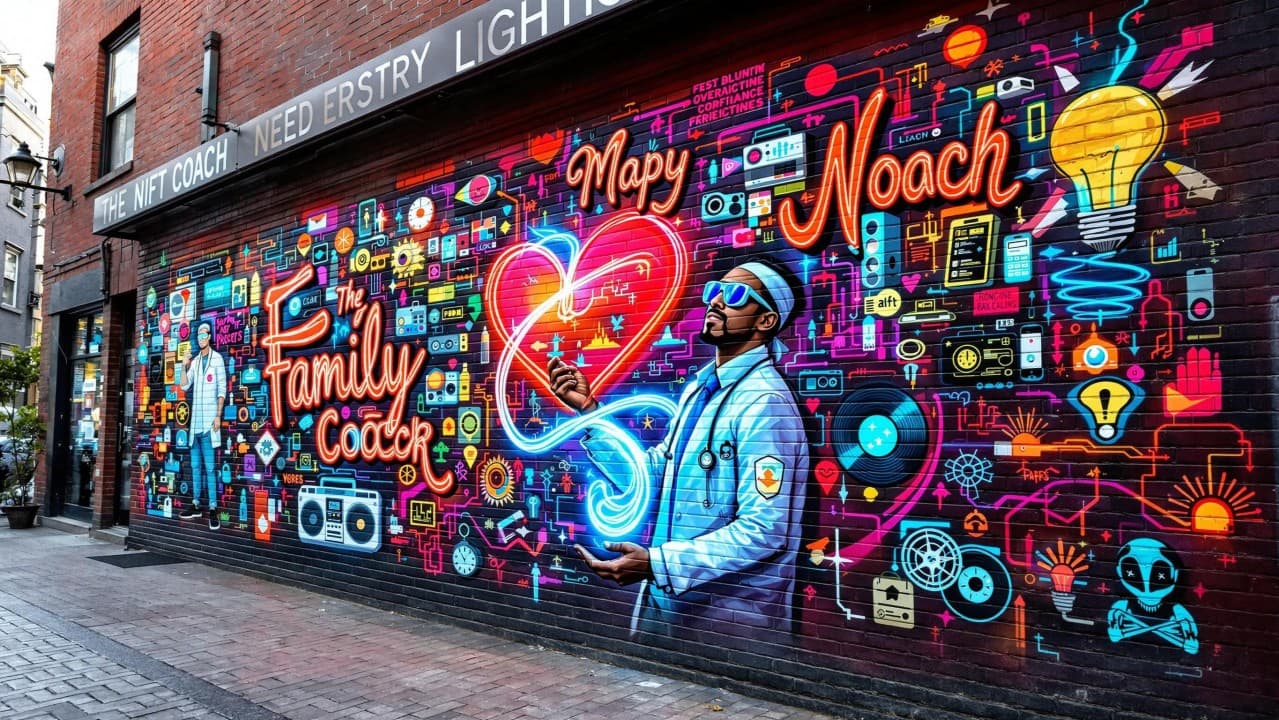
These two scenarios highlight a growing tension in healthcare: the rise of hyper-specialised, tech-driven solutions versus the urgent need for a human-centred, holistic approach. In this evolving landscape, the family doctor (once seen as a gatekeeper) has the potential to transform into something far more essential: a guide, a coach, and a translator in a world increasingly dominated by fragmented care and overwhelming technology.
Now, imagine a future where the family doctor becomes the linchpin of healthcare. This isn't just a doctor who prescribes treatments; this is a trusted partner who understands your medical history, lifestyle, goals, and values. They don't just navigate the maze of specialists, apps, and wellness programmes for you — they ensure every decision aligns with your unique context. They bridge the gap between cutting-edge technology and human understanding, blending data with empathy to create a truly personalised care experience.
This vision isn't just aspirational — it's achievable. But it requires innovators, business developers, and healthcare leaders to rethink the role of the family doctor. What if we designed systems where technology and human care worked seamlessly together? What if the family doctor became the cornerstone of a healthcare ecosystem that prioritises connection, compassion, and context?
The challenge is clear: to build a future where the family doctor is not a relic of the past, but a visionary force driving healthcare forward. The opportunity is immense, and the time to act is now. Let's create a world where technology amplifies care, and where every patient feels seen, understood, and empowered.