Wellcation: the future of wellness or just wellness-washing?
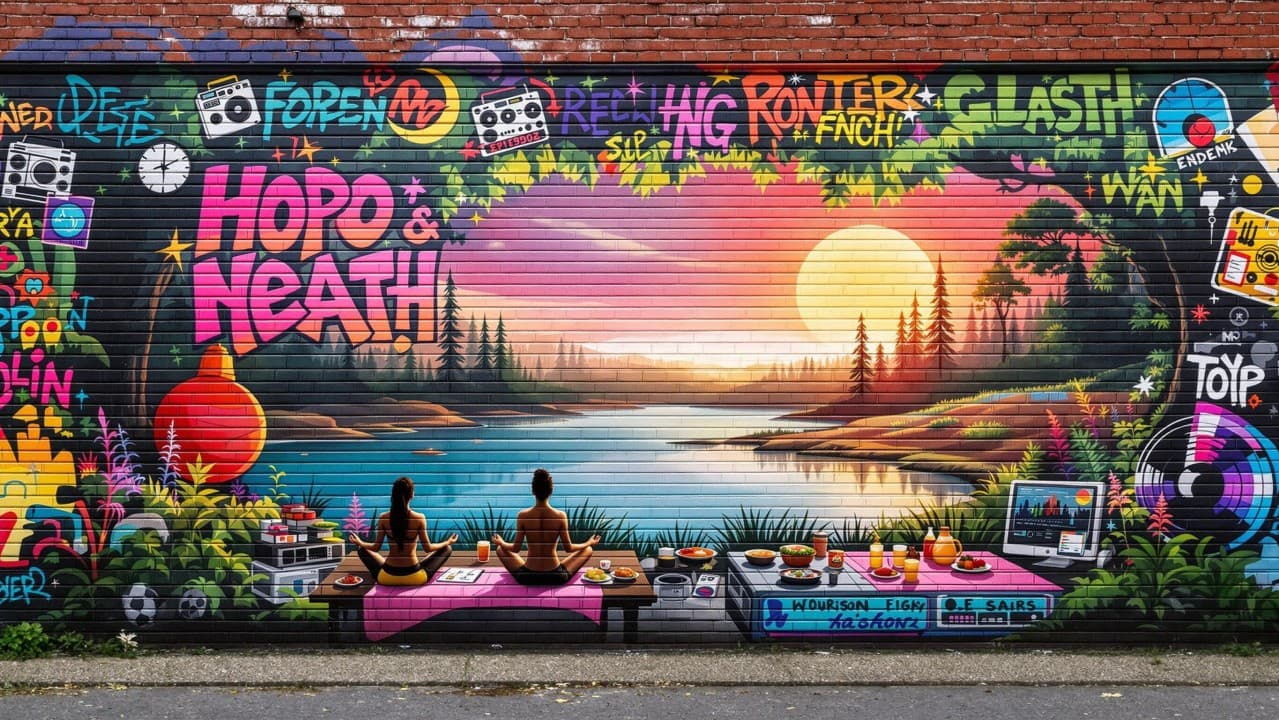
We've all heard of staycations, workcations, and even glampcations. But what about the wellcation? It's a buzzword in travel, promising a holiday that prioritises health, relaxation, and rejuvenation. Think spa treatments, yoga, meditation, fitness programmes, and healthy eating. On paper, it sounds like the perfect antidote to our fast-paced, burnout-prone lives. And the numbers back it up: wellness tourism is growing at nearly twice the rate of traditional tourism, with travellers increasingly seeking restorative, health-focused experiences.
But here's the thing — does the current wellcation offering really live up to its promise?
Take a closer look, and you'll find that many wellcations feel like a repackaging of the same old wellness retreats: a few spa treatments, some mindfulness sessions, and a menu of healthy meals. It's nice, sure, but is it transformative? For many, it feels more like "wellness-washing": a surface-level attempt to capitalise on the wellness trend without delivering meaningful, lasting impact.
The potential for wellcations is so much greater. Imagine a truly personalised experience: a comprehensive health assessment upon arrival, tailored programmes that address both physical and mental well-being, and post-stay follow-ups to ensure the benefits don't fade the moment you return home. What if a wellcation didn't just recharge your internal battery but gave you the tools to keep it charged long after you've left?
This is where the opportunity lies to redefine what a wellcation can be.
Could wellcations evolve into something more dynamic and inclusive? For instance, would families bring their children along, or even gift wellcations to them? Could companies embrace wellcations as a tool for employee well-being, offering them as perks or preventative measures against burnout? And what about the experience itself — will guests value the immediate recharge, the long-term coaching, or a combination of both?
There's also the question of accessibility. Could wellcation providers extend their services beyond the retreat, offering at-home experiences that bring the same sense of renewal into everyday life?
The demand for wellness is clear, but the current offerings are just scratching the surface. The future of wellcations isn't about ticking boxes; it's about creating transformative, hyper-personalised experiences that leave a lasting impact.
The concept is compelling, but execution is everything. Who will be the first to move beyond wellness-washing and deliver a wellcation that actually transforms lives?