Driving Business Forward with Employee Upskilling
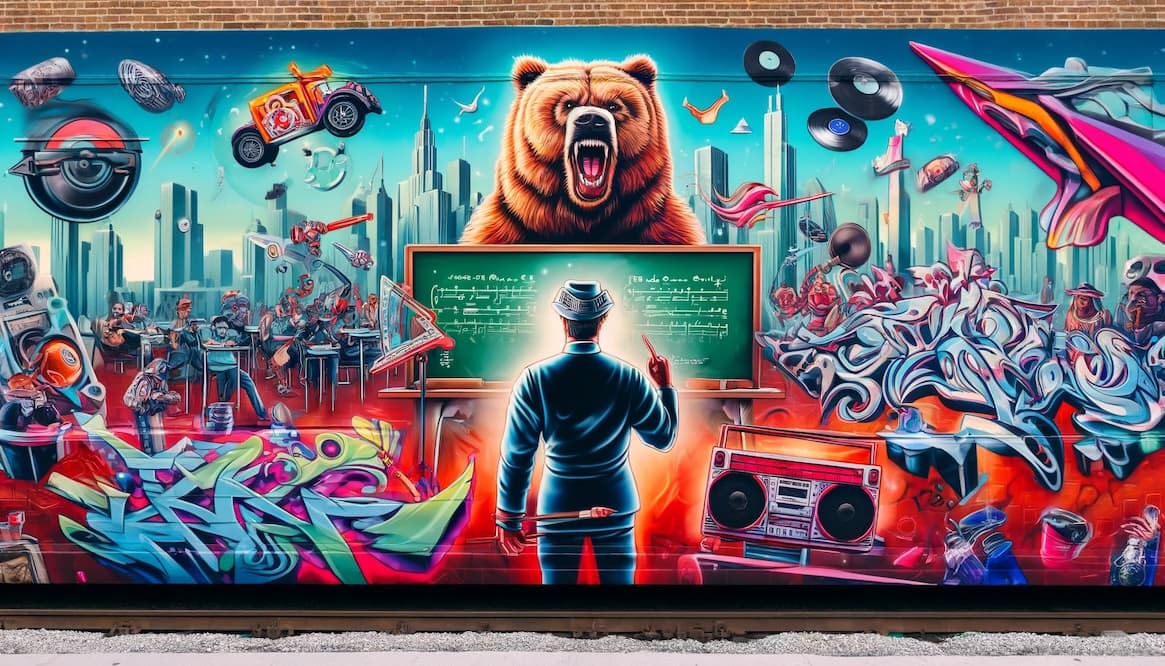
In today's fiercely competitive landscape, simply keeping up is not enough; businesses need to consistently outpace their competitors. Consider the parable of the two hikers confronted by a grizzly bear in the wilderness. As one ties his shoes to escape, his puzzled companion questions his ability to outrun the bear. The hiker's retort, "I don't need to outrun the bear; I just need to outrun you," perfectly encapsulates the business world's race where the quickest learners lead the pack. Upskilling and reskilling employees rapidly not only enhances productivity but also attract and retain top talent, creating what Ash Maurya calls "the new unfair advantage." Here, I outline a strategic plan for creating that advantage, divided into four stages.
Immediate Wins Begin by addressing the low-hanging fruit: streamline processes by automating supply chain and back-office inefficiencies with IoT, sensors, and text recognition. Leverage no-code platforms and generative AI to quickly realise gains, which can then fund further innovations. Introduce basic chatbots to improve customer and employee support, with a focus on service improvement, not job replacement. Promote employee well-being with health initiatives.
Cultivate a culture of continuous improvement and innovation. Engage your workforce with effective communication and encourage cross-departmental training to widen their skill sets. Implement mentorship programs for peer-to-peer learning, which enriches the communal knowledge pool. Examples include IKEA's digital literacy projects, virtual reality training, and encouraging participation in brainstorming sessions or hackathons.
Advanced Strategies Deepen your culture of innovation by developing more structured learning and development opportunities. Strengthen ties with educational institutions to foster a continuous influx of fresh ideas and skills. Embrace technology to accommodate diverse abilities, offering roles that are adaptable through telework or robotics, thereby expanding your talent pool and enhancing inclusivity. Offer micro-credentials for internal training completion, adding real value to the employee learning journey. Use AI to customize learning programs to individual career paths, enhancing learning outcomes.
Strategic Investments Adopt robotic assistants to augment, not replace, human roles. Enhance internship programs, valuing interns' feedback and viewing them as potential hires. Use Extended Reality for both training and real-world applications, enabling remote assistance and immersive customer experiences. Keep your curriculum dynamic, evolving with technological and market shifts, and use predictive analytics to identify and address future skill gaps proactively.
Future-Proofing Invest in developing proprietary software to maximize company data and operational efficiency. Use advanced machine learning to improve recruitment processes by predicting candidate success and cultural fit. Integrate upskilling efforts with corporate social responsibility, focusing on environmental sustainability. Prepare for future technological shifts by training in fields like quantum computing and neuro-enhancement.
Organisations dedicated to rapid learning and adaptation are not merely preparing for the future; they are shaping it, securing a leadership position in the global market. They build a strong employer brand that attracts talent and wins the talent war.