The future intersection of fintech and healthcare
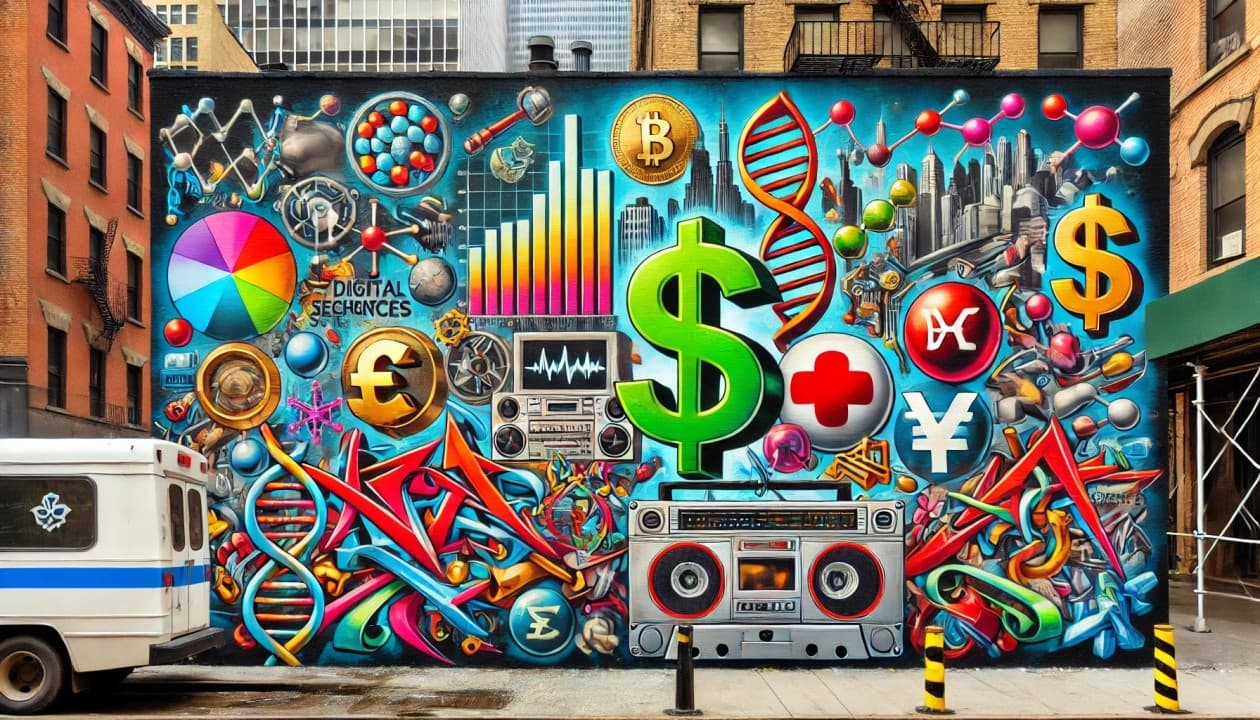
The convergence of technology and finance is reshaping industries, and the intersection of fintech and healthcare is a transformative frontier for life sciences. This isn't just about financial transactions; it's about using technology to innovate, streamline, and democratise healthcare. Below are 10 emerging business models and opportunities at this dynamic intersection.
-
Funding personalised medicine What if patients could directly fund research for treatments tailored to their genetic profiles? Imagine a world where decentralised finance (DeFi) and crowdfunding platforms allow patients and communities to invest in personalised therapies. How would this democratisation of funding reshape drug development and patient care?
-
Enhancing telemedicine with seamless payments Picture a telemedicine platform where payments are as seamless as the video call itself. How would integrating digital wallets and instant payment gateways transform the telemedicine experience? Consider the potential for reducing administrative costs and improving patient satisfaction.
-
AI-driven funding for life sciences Envision AI algorithms predicting the success rates of healthcare projects and automatically allocating funds. This synergy between AI and fintech could lead to more informed investment decisions and drive innovation in life sciences. How might this change the landscape of healthcare investments? What new opportunities could emerge for startups in this AI-driven funding ecosystem?
-
Securing health transactions with blockchain In a future where all health-related transactions are recorded on a blockchain, how would this impact healthcare supply chains and clinical trials? Consider the potential for smart contracts to automate payments and ensure transparency. What new business models could emerge in this hyper-transparent ecosystem?
-
Financing wearable tech and remote monitoring What if patients could "subscribe" to health monitoring devices instead of purchasing them outright? How would this subscription model, facilitated by fintech, change the adoption rate of wearable tech? Think about the implications for preventive care and chronic disease management.
-
Investing in bioprinting and regenerative medicine Bioprinting and regenerative medicine are rapidly advancing, with the potential to create customised tissues and organs. However, these cutting-edge technologies also come with high costs. Imagine a platform where retail investors could fund bioprinting startups as easily as they buy stocks. How would this democratisation of investment in cutting-edge medical technologies accelerate innovation?
-
Enabling health data interoperability Picture a world where patients own and control their health data, able to share it across different healthcare providers and even monetise it securely. How would this patient-driven data economy, powered by blockchain and fintech, reshape healthcare delivery and research? What new services could you develop in this ecosystem?
-
Promoting sustainability in healthcare What if healthcare providers could easily issue green bonds to fund sustainable initiatives? How would fintech tools that measure and incentivise sustainability transform healthcare operations? This not only promotes a healthier planet but also aligns healthcare providers with the growing demand for sustainable practices. Consider the potential for new business models at the intersection of finance, sustainability, and healthcare.
-
Empowering patient-driven payment models Envision a healthcare system where patients can choose from a menu of payment options for each treatment, from pay-as-you-go to outcome-based models. How would this flexibility, enabled by fintech, change patient behaviour and provider operations? What opportunities does this create for innovative insurance products?
-
Navigating regulatory compliance with fintech In a future where regulatory compliance is automated through blockchain and AI, how would this change the operational landscape for healthcare and life sciences companies? Consider the potential for real-time auditing and adaptive regulations. What new roles might emerge in this tech-driven regulatory environment?
What's your next move?
As we stand at the crossroads of fintech and healthcare, the opportunities for innovation are boundless. The scenarios we've explored (from democratised funding for personalised medicine to blockchain-secured health transactions) are not mere fantasies, but potential realities waiting to be shaped by visionaries like you. Which of these intersections resonates most with your expertise? Perhaps you see untapped potential in AI-driven funding for life sciences, or maybe you're drawn to the challenge of creating seamless payment systems for telemedicine? The question now is not if these changes will happen, but how quickly they will unfold, and who will lead the charge. So, what's your next move?